
How to Choose the Right Glass Door Hinges for Commercial Projects
RESOURCES2
10/7/20251 min read
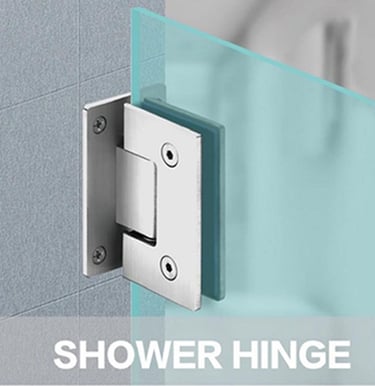
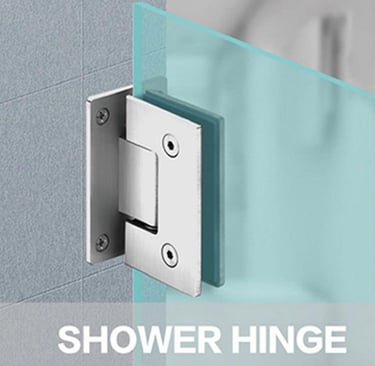
Glass door hinges are fundamental load-bearing components in commercial glass door systems.
Their selection directly affects door stability, user safety, and long-term operational performance.
This guide outlines the key factors procurement and engineering teams should consider when selecting glass door hinges for commercial projects.
Why Glass Door Hinges Matter
In hotels, offices, retail spaces, and public buildings, glass doors are frequently used and exposed to continuous stress.
Improper hinge selection can result in door sagging, misalignment, or premature failure.
Key Selection Factors
When choosing glass door hinges, consider:
Maximum door weight and size
Glass thickness (commonly 8–12mm)
Opening angle and self-closing requirements
Stainless steel grade (SS304 or SS316)
Environmental exposure (humidity, coastal conditions)
Each factor influences both performance and lifespan.
Application-Based Recommendations
Hotel & shower rooms: Self-closing hinges with corrosion-resistant finishes
Office partitions: Heavy-duty hinges designed for frequent use
Residential projects: Cost-effective hinges with smooth operation
Common Mistakes to Avoid
Selecting hinges based only on appearance
Ignoring door weight calculations
Overlooking environmental conditions
Conclusion
Choosing the right glass door hinge is a technical decision, not a decorative one.
Correct selection ensures safety, durability, and reduced maintenance over the project lifecycle.
Empowering your business to reach new heights with our premium products and expert services.
WhatsApp: +886 909 383 797
Wendy
Email: customerservice@ymdhardware.com
Product
Copyright © 2023 -YADhardware
Simplify Your Project Hardware Evaluation
Brand Core Value
From Glass Door Hardware to Multi-category Project Solutions.
-YAD makes complexity simple.
Share your project or evaluation needs.
We support BOQ review, product selection, and early-stage discussions.